Written Before the World Knew: The Last Letters That Outran the Disaster
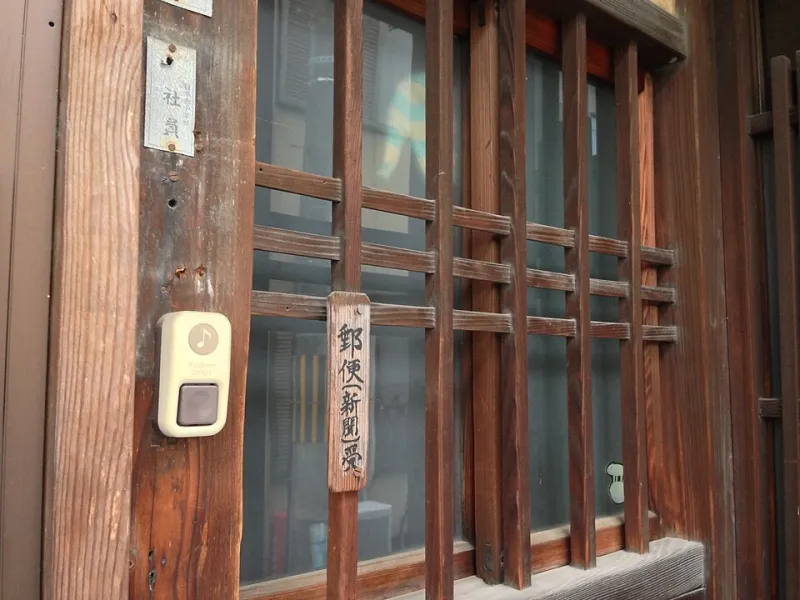
Photo: kimubert, CC BY 2.0, via Wikimedia Commons
There's a particular kind of quiet dread in an envelope that arrives late. Not a bill, not a birthday card — a letter written by someone during the last hours of their life, that took longer to reach its recipient than the writer took to reach theirs.
American disaster history has produced a small, devastating archive of these documents. And the longer you look at them, the stranger the coincidences become.
The Mine That Kept the Mail
When coal mines collapsed in the late 19th and early 20th centuries — and they collapsed with grim regularity in Pennsylvania, West Virginia, and Illinois — trapped miners did what people have always done: they wrote. Pencil on scraps of paper, on pay stubs, on anything flat. Notes to wives. Instructions about debts. Words for children too young to remember a father's voice.
What makes these notes remarkable isn't just their existence. It's the timing. Rescue operations at major mine disasters could drag on for days as crews dug through collapsed shafts, and families gathered at the minehead in agonizing vigil. Meanwhile, letters written underground in the first hours — passed to survivors, or recovered later and mailed by company officials — sometimes traveled through the post office on a schedule utterly indifferent to the tragedy. A note written at 2 p.m. might arrive home the morning after the last body was brought up, so the family learned the contents of their husband's final thoughts after they'd already learned of his death. In some cases, the letters contained predictions that proved exact: the miner who wrote that rescue would take too long, that the company wouldn't reach them in time. He was right, and the letter confirming it arrived as proof.
The Ship's Mail That Sailed Without Them
The Great Lakes have their own version of this. Sailors on the lakes mailed letters at ports along their routes, and when a ship went down — as hundreds did in these inland seas — letters written days earlier, in casual good spirits, would arrive at destinations days after the sinking. A letter describing the weather. A joke about the load. A promise to be home soon. The postal system, mid-transit, carried cheerful news of a voyage that had already ended beneath the water.
The Eerie Near-Misses
The most unsettling cases are the ones where the writers seemed to sense the timing. A note passed out of a burning building's perimeter by a firefighter, describing the fire's behavior with a professional's precision — written by someone with no such training. A letter that predicted, almost to the day, how long the rescue would take and how it would end. Skeptics rightly point out that people in danger often reason well about their own odds; trapped miners knew the mathematics of collapsed shafts better than anyone. But knowing it and writing it down, calmly, for the person who'd receive it after it came true — that's the part that resists explanation.
Why We Keep Them
Many of these letters survive in state historical archives and family Bibles, and some have been exhibited in mining museums across Appalachia and the Rust Belt. They are hard to read and harder to forget. They strip away everything we usually say about disaster and leave only the plainest human instinct: when the end became visible, these people reached for paper.
The mail, meanwhile, did what the mail does. Unhurried. Indifferent. Delivering, in its own good time, the last words of people who no longer needed them — to the people who needed them most.