Where America Meets Canada in Your Living Room: The Vermont Border Town Split Down the Middle
The Kitchen That Belongs to Two Nations
Imagine opening your front door in Vermont and stepping into Quebec without taking a single step. In Derby Line, Vermont, this isn't a thought experiment—it's Tuesday.
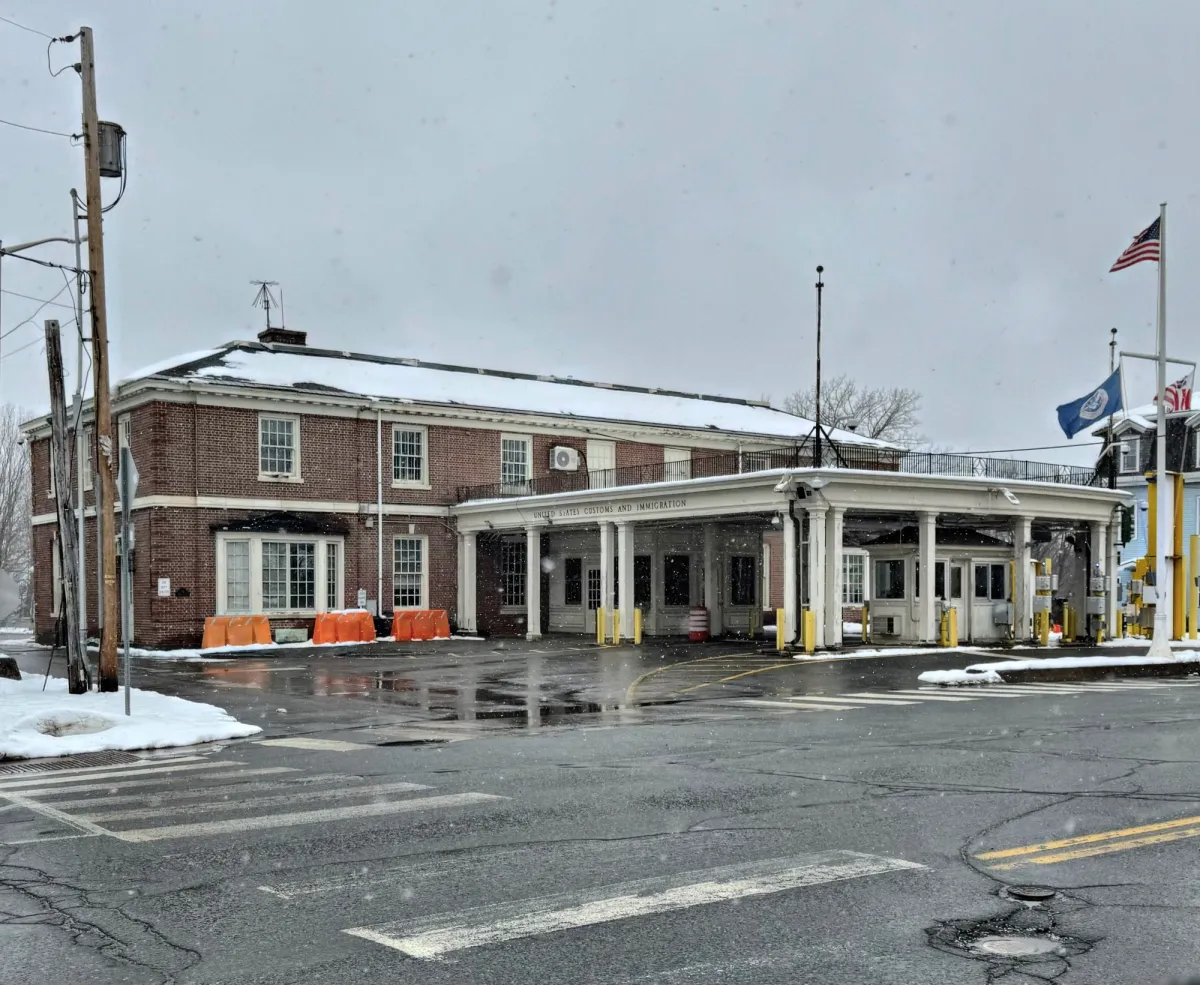 Photo: Derby Line, via buildingsofnewengland.com
When surveyors established the 49th parallel as the official US-Canada border in 1842, they had a simple job: draw a straight line. What they didn't anticipate was that their perfectly straight line would slice directly through an already-thriving community, turning everyday activities into inadvertent acts of international diplomacy.
When Geometry Meets Geography
The Webster-Ashburton Treaty of 1842 was supposed to settle border disputes between the United States and British North America once and for all. Surveyors armed with chains and compasses marched westward, dutifully marking the boundary every few miles. When they reached the small settlement that would become Derby Line, they faced a choice: bend the border around the town or stick to their straight line.
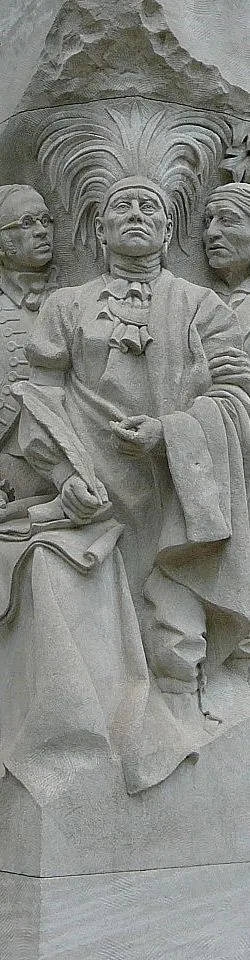 Photo: Webster-Ashburton Treaty, via www.thoughtco.com
They chose the line.
The result defies common sense. The Haskell Free Library and Opera House sits with its stage in Canada and its audience in America. The building's front entrance opens onto Vermont soil, while performers literally take their final bows on Canadian territory. During shows, audience members technically need passports to applaud.
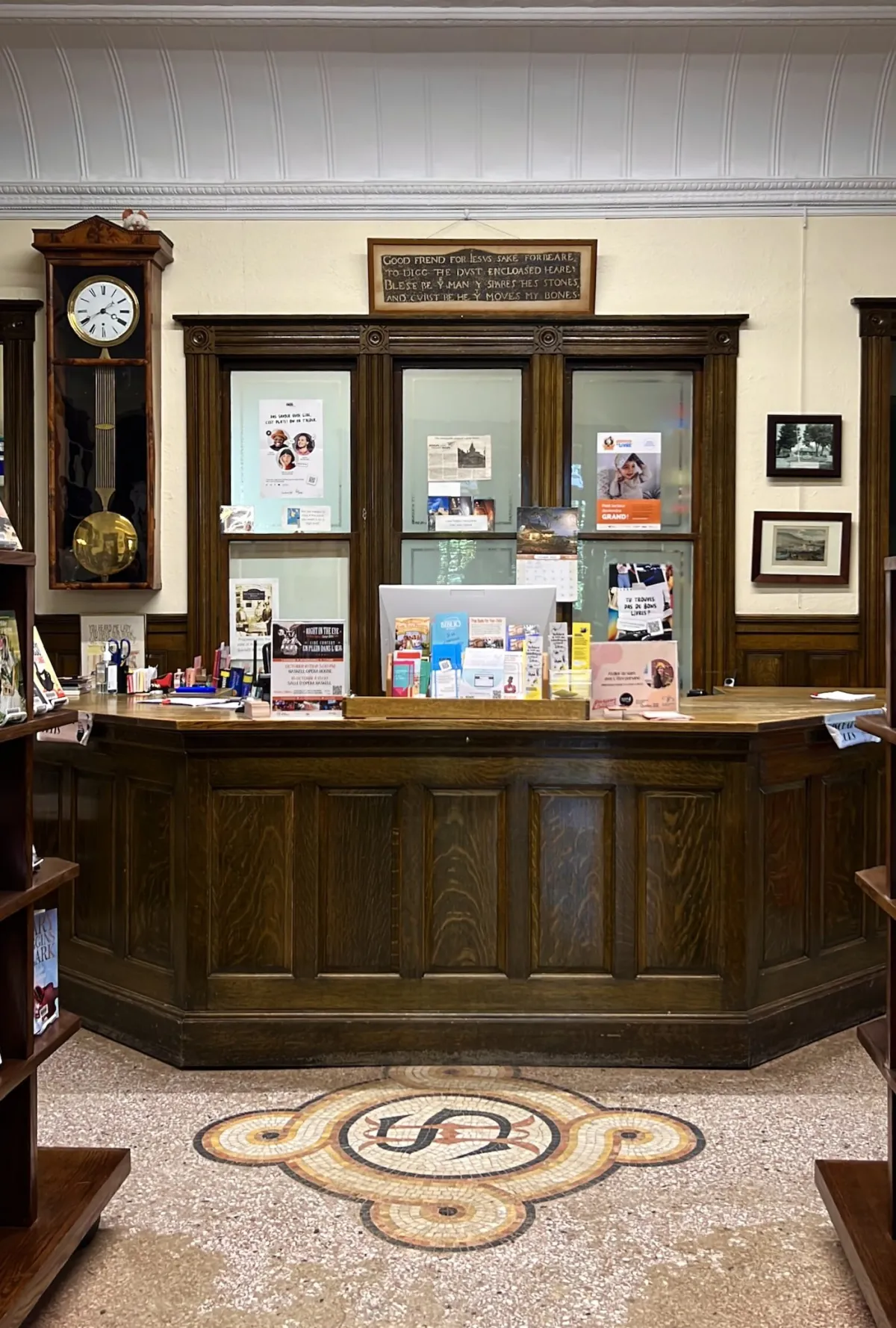 Photo: Haskell Free Library and Opera House, via accidentallywesanderson.com
Living in Legal Limbo
For residents of Derby Line, international law becomes personal. The Rainville family's house straddles the border so completely that their kitchen is in Canada while their living room remains firmly in Vermont. Their property taxes get paid to two different countries, and technically, their morning coffee is an international import.
But the real complexity emerges in the details that lawmakers never considered. Which country's building codes apply to a house that exists in both? If a crime occurs in the Canadian half of a building, do Vermont police have jurisdiction? When the mail carrier delivers to 123 Main Street, which postal system takes responsibility?
The Customs Nightmare Nobody Planned For
For decades, Derby Line operated on an honor system that would make border patrol agents elsewhere break into cold sweats. Residents freely crossed between countries multiple times per day—not out of disrespect for international law, but because their daily routines required it.
The local grocery store sits in America, but its parking lot extends into Canada. For years, Canadian residents would park in their own country, walk into America to shop, then return to Canada to drive home—a routine that technically constituted three separate border crossings per shopping trip.
This casual arrangement worked until 9/11 changed everything about border security. Suddenly, the informal understanding that had governed Derby Line for 160 years collided with modern security concerns. The Department of Homeland Security found itself trying to secure a border that runs through people's bedrooms.
The Opera House Where Geography Gets Weird
The Haskell Free Library and Opera House represents the ultimate expression of Derby Line's geographic absurdity. Built in 1904 by a wealthy couple who wanted their gift to serve both communities, the building was deliberately designed to straddle the border.
The architectural plans show a black line painted across the floor, marking exactly where America ends and Canada begins. During performances, actors routinely deliver lines while standing in one country and gesturing toward an audience in another. The building's heating system draws power from Vermont while the air conditioning runs on Canadian electricity.
Library patrons can check out books using either a Vermont or Quebec library card, but they must exit through the door that corresponds to their citizenship. The building maintains two separate collections—American books on the south side, Canadian books on the north—with the international border serving as the ultimate filing system.
Modern Solutions to Ancient Problems
Today, Derby Line operates under a complex system of agreements, exceptions, and bureaucratic workarounds that somehow make daily life possible. The US and Canadian governments have designated the town as a special administrative zone where certain border crossing requirements are relaxed for residents.
Local police from both countries coordinate so closely that they essentially function as a single department. When someone calls 911, dispatchers have to determine not just the nature of the emergency, but which country it's occurring in. Fire trucks and ambulances carry documentation allowing them to cross the border while responding to calls.
The post office has developed its own solution: mail for the Canadian side of town gets delivered to American addresses, then residents walk across the border to pick it up. It's the only postal system in North America where your mail delivery route includes an international border crossing.
Why It Still Matters
Derby Line represents something remarkable in an era of increasingly militarized borders: proof that international boundaries don't have to divide communities. The town's residents have spent over 180 years demonstrating that people can live successfully in multiple countries simultaneously.
But it also reveals the fundamental arbitrariness of borders themselves. When surveyors drew their line through Derby Line, they created a living laboratory for testing what happens when the theoretical concepts of sovereignty and citizenship collide with the practical realities of human community.
Every morning, residents of Derby Line wake up and choose which country to have breakfast in. It's a choice most people never get to make, and a reminder that sometimes the strangest places on Earth are the ones where mapmakers' straight lines meet the curved reality of human life.