The Morning After
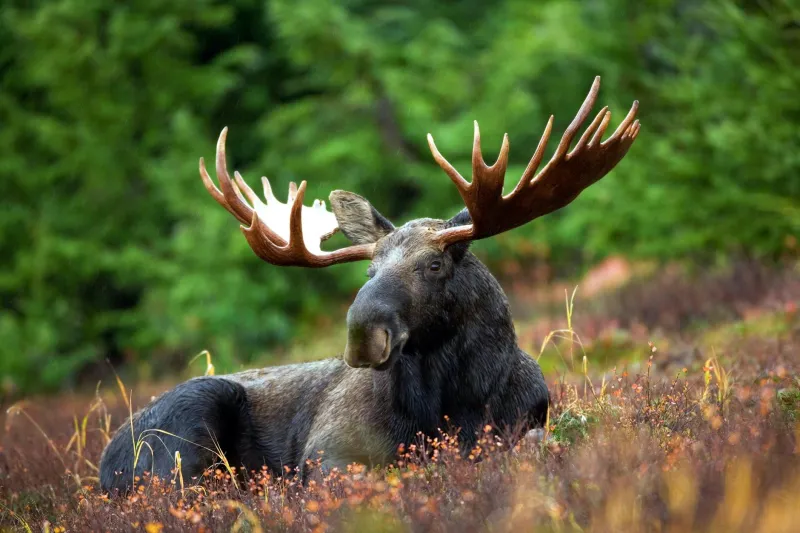
Per Johansson was expecting a quiet morning in his suburban Stockholm yard when he discovered something that would make headlines around the world: a massive moose, visibly intoxicated and thoroughly stuck in his apple tree. The animal's glazed expression and unsteady posture told the whole story — this was Sweden's first documented case of a moose with a serious hangover.
The 2011 incident might have remained a local curiosity, but the photos went viral faster than you could say "fermented fruit." Within days, Swedish wildlife officials found themselves fielding calls from international media about their country's apparently boozy wildlife problem.
When Nature Becomes a Brewery
What happened to that Swedish moose wasn't actually unusual — it was just unusually well-documented. Every fall, across northern climates, the same drama plays out as wild animals discover that overripe fruit can pack quite a punch.
When apples, pears, or berries sit on trees or ground long enough, natural yeasts convert their sugars into alcohol. For most animals, this is a dietary hazard to avoid. But researchers studying the Swedish moose incident realized something fascinating: some animals aren't just accidentally consuming alcohol — they're actively seeking it out.
Dr. Anna Lena Lindström, a wildlife biologist at Stockholm University, spent three years tracking similar incidents across Scandinavia. Her team documented over 200 cases of apparent animal intoxication, from elk stumbling through suburban neighborhoods to flocks of waxwings flying erratically after gorging on fermented mountain ash berries.
"The pattern was too consistent to be accidental," Lindström explained. "These animals were making deliberate choices."
The Evolutionary Hangover Theory
The Swedish moose story sparked a surprisingly serious scientific debate: why would evolution allow animals to get drunk?
Turns out, alcohol tolerance might be an ancient survival trait. Primates who could handle fermented fruit had access to high-calorie food sources that other animals couldn't exploit. The ability to metabolize alcohol efficiently became an evolutionary advantage.
But different species developed wildly different tolerances. While humans and some primates can process alcohol relatively safely, other mammals handle it poorly. Birds are particularly vulnerable — their smaller body mass and faster metabolism mean even small amounts of fermented fruit can leave them completely incapacitated.
When Drunk Animals Make Headlines
The Swedish moose wasn't alone in achieving internet fame through intoxication. In 2018, a flock of robins in Minnesota made national news after getting drunk on fermented berries and flying into windows. Wildlife officials had to issue public warnings about "drunk bird season."
Similarly, elephants in Botswana have been documented deliberately seeking out fermented marula fruit, leading to what researchers call "elephant parties" — large groups gathering around particularly alcoholic fruit trees.
Even more remarkably, some animals seem to understand their limits. Researchers in Malaysia observed orangutans carefully testing fermented palm nectar before drinking, apparently gauging its alcohol content.
The Science of Animal Alcohol Metabolism
What makes the Swedish moose story scientifically interesting isn't just that animals get drunk — it's how differently they handle alcohol compared to humans.
Moose and elk have four-chambered stomachs that ferment their food naturally. When they consume already-fermented fruit, the alcohol hits their bloodstream much faster than their digestive systems expect. This explains why the Stockholm moose appeared so dramatically intoxicated — his body was essentially experiencing a double dose of fermentation.
Birds face an even stranger challenge. Their rapid metabolism processes alcohol quickly, but their small size means they can go from sober to dangerously intoxicated within minutes. The result is often birds that can't fly straight, can't navigate properly, and sometimes can't even perch safely.
The Unexpected Research Boom
That one viral photo of a drunk moose triggered a renaissance in animal alcohol research. Universities across Europe and North America launched studies investigating everything from fruit fermentation timing to animal behavior around alcoholic food sources.
The research revealed some surprising findings. Many animals that regularly consume fermented fruit have developed behavioral adaptations — they eat fermented food early in the day when they have time to "sleep it off," and they often seek out water sources immediately after consuming alcohol.
Some species even appear to use alcohol medicinally. Fruit flies deliberately lay eggs in alcoholic environments because the alcohol kills parasites that would otherwise harm their offspring.
From Meme to Scientific Method
What started as a funny photo became a legitimate research field almost by accident. The viral nature of the Swedish moose story drew public attention to animal intoxication in a way that traditional scientific papers never could.
Today, researchers use citizen science to track animal intoxication events. Apps like iNaturalist now have dedicated categories for documenting drunk wildlife, and wildlife officials across North America issue seasonal warnings about intoxicated animals.
The Swedish moose, meanwhile, was eventually freed from the apple tree with no lasting harm — though he presumably learned to pace himself around fermented fruit. His legacy lives on in research labs where scientists are still unraveling the complex relationship between animals and alcohol.
Sometimes the most important scientific discoveries start with the most ridiculous headlines. In this case, one hungover moose opened up entirely new questions about evolution, animal behavior, and the surprising ways that alcohol has shaped life on Earth.