How a Tabby Cat Became the Most Popular Public Official in Alaska and Stayed in Office for Two Decades
The Accident That Started It All
Talkeetna, Alaska isn't the kind of place you'd expect to make national headlines. Nestled along the Susitna River about 100 miles north of Anchorage, this former mining town had a population hovering around 900 people. It was the sort of place where local politics mattered mostly because there wasn't much else to do on a Friday night.
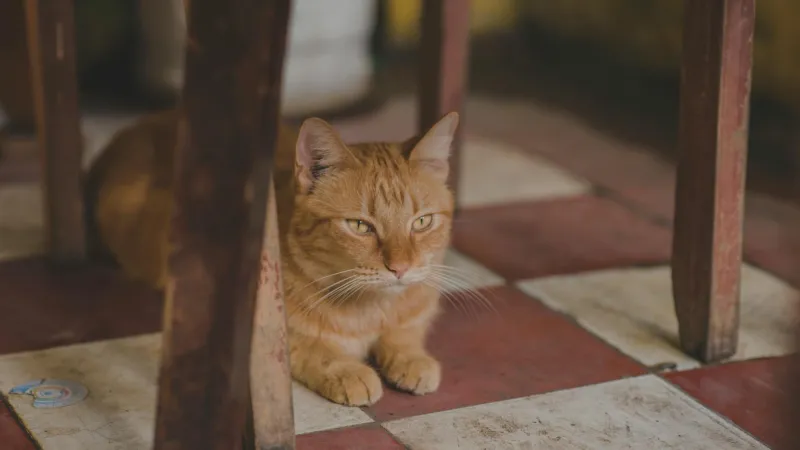
In 1997, the town was preparing for a mayoral election. As a joke—the kind of absurdist humor that thrives in small towns with nothing to lose—someone put a kitten named Stubbs on the ballot. The orange tabby, who had recently arrived at a local barber shop, became an instant write-in candidate. When the votes were tallied, Stubbs won by a landslide.
Everyone assumed it was funny. No one realized they'd just elected a mayor who would serve for two decades without a single scandal, budget crisis, or broken campaign promise.
Why a Town Kept Reelecting a Cat
Here's the thing about Stubbs: he didn't actually govern. Talkeetna had a city council that handled real municipal business. Stubbs was honorary mayor—a ceremonial figurehead with no actual power. But that was precisely the point.
In an era of increasingly hostile local politics, fractured town councils, and the kind of petty feuding that can paralyze small communities, Talkeetna had found the perfect solution: a mayor who couldn't argue with anyone, couldn't be bribed, and couldn't be blamed for anything. When residents voted to reelect him year after year, they weren't just being cute. They were expressing something genuine about what they wanted from leadership.
"People liked having something fun and different," said one Talkeetna resident in an interview with the BBC. Stubbs represented stability without the headaches. He was the political equivalent of a snow day—unexpected, universally appreciated, and impossible to be mad about.
The cat became so popular that he started drawing tourists. Visitors would come specifically to see Stubbs, take photos with him, and buy merchandise bearing his face. Local businesses thrived on the novelty. What had started as a joke became a genuine economic engine for a town that desperately needed one.
A Cat's Reign and Its Unexpected Impact
Stubbs held office through administrations in Washington that would have made any human mayor's head spin. He was elected and reelected through partisan shifts, economic booms and busts, and the entire transformation of Alaska's relationship with climate change. While the Lower 48 argued about politics, Stubbs sat in the barber shop—his official office—greeting visitors with the serene indifference only a cat can muster.
He received fan mail from around the world. He was featured in international news outlets. He became, somehow, Talkeetna's most recognizable citizen. There's something deeply American about the fact that a small town chose a cat as their symbolic leader and stuck with that choice for 20 years. It speaks to a kind of democratic absurdism, a willingness to embrace the ridiculous as a form of protest against the exhaustingly serious.
When Stubbs died in 2017 at age 20, the town mourned genuinely. His funeral was attended by dozens of residents and visitors. The New York Times ran his obituary. For a moment, the world acknowledged that this small Alaskan town had done something remarkable: they'd found a way to make local government fun.
What Stubbs Teaches Us About Politics
The story of Stubbs doesn't fit neatly into American political narratives. He wasn't a protest vote against corruption. He wasn't a statement about party politics. He was something stranger: an acknowledgment that sometimes the best leader is one who brings people together precisely because he refuses to take sides.
In 2024, as local politics across the country have become increasingly fractious, the example of Talkeetna's tabby mayor feels almost prophetic. Here was a town that recognized that governance and unity are separate things—that you can have a functional government (the city council) while also having a symbol of communal identity (Stubbs) that everyone could agree on.
Talkeetna never elected another cat mayor after Stubbs passed. They returned to human candidates. But the town's 20-year experiment with feline leadership remains a peculiar testament to what happens when a community decides that sometimes, the best politics are no politics at all.
Stubbs the cat proved something most human politicians never can: that showing up, being present, and not making things worse is sometimes enough to become genuinely beloved.