The Mission That Never Ended
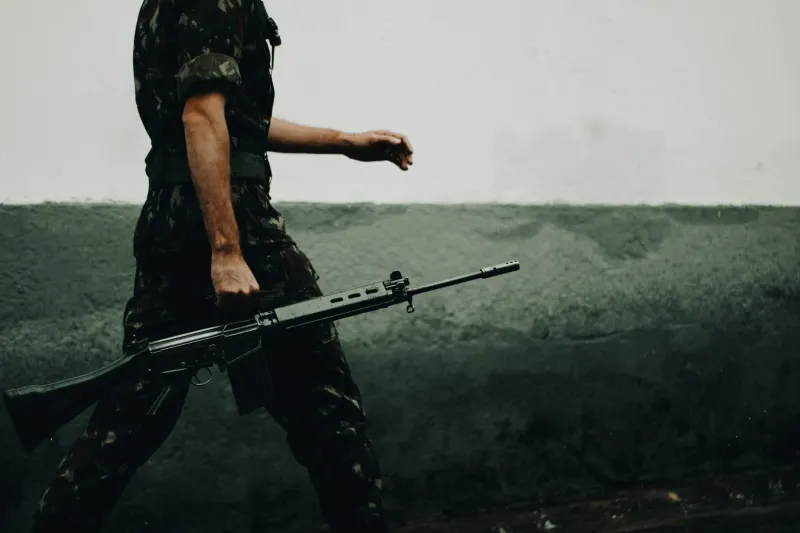
On December 26, 1974, a 52-year-old Japanese man emerged from the dense jungle of Lubang Island in the Philippines, wearing a tattered military uniform and carrying a rifle that hadn't been manufactured in decades. Lieutenant Hiroo Onoda had just received his first legitimate military order in 29 years: the war was over.
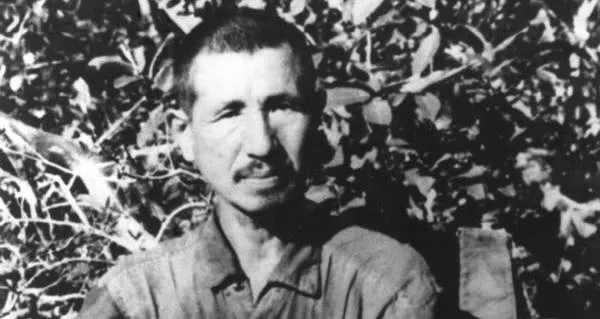 Photo: Lieutenant Hiroo Onoda, via allthatsinteresting.com
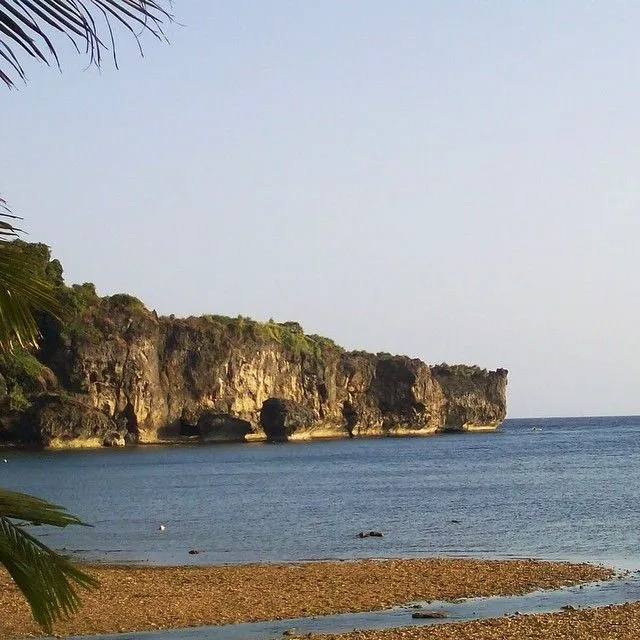 Photo: Lubang Island, via i.pinimg.com
For nearly three decades after Emperor Hirohito announced Japan's surrender, Onoda had continued his guerrilla mission with religious devotion. He wasn't hiding from reality — he was living in an alternate version of it where World War II had never ended.
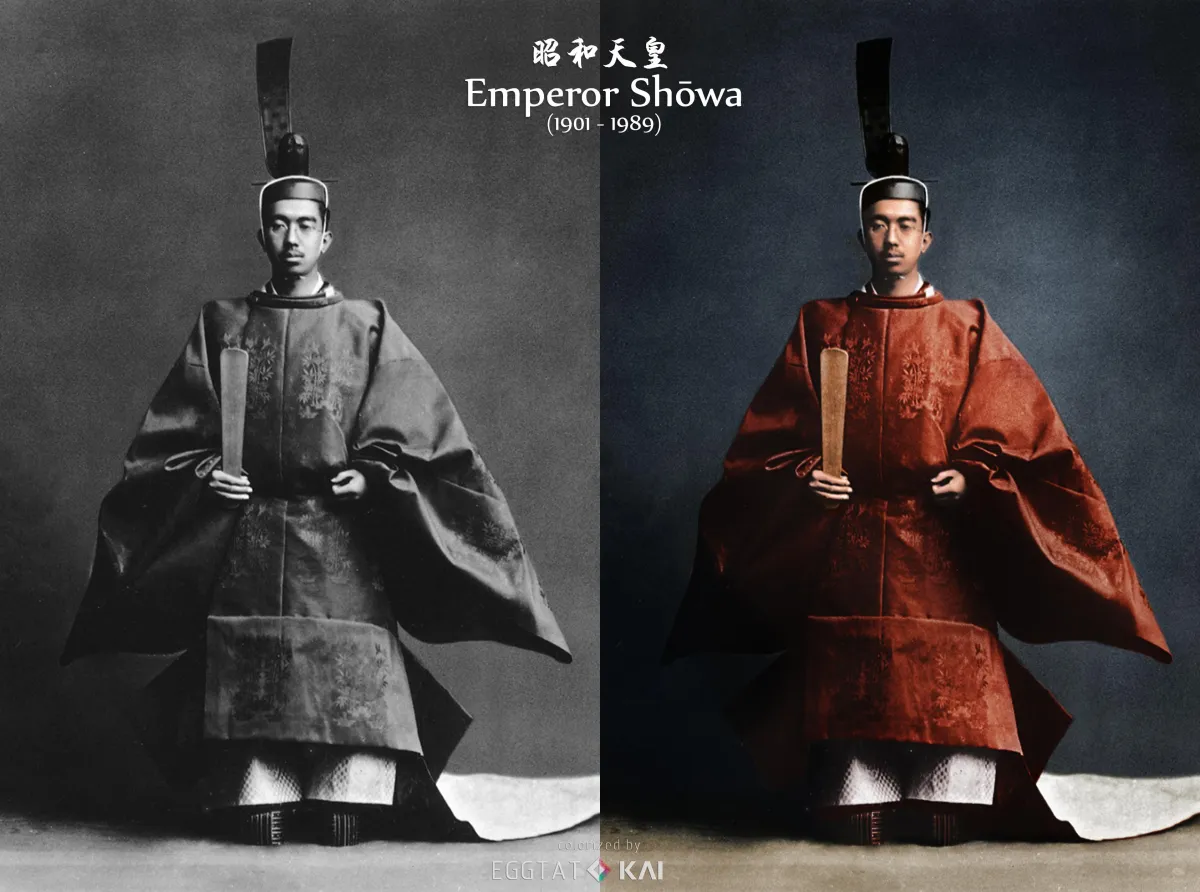 Photo: Emperor Hirohito, via i.redd.it
The Perfect Soldier's Impossible Situation
Onoda's story begins in 1944, when he was sent to Lubang Island with explicit orders: conduct guerrilla warfare, never surrender, and wait for reinforcements. His commanding officer, Major Yoshimi Taniguchi, had been crystal clear about one thing — Onoda was to ignore any surrender announcements as enemy propaganda.
This wasn't paranoia; it was standard Japanese military doctrine. The Allies had used fake surrender leaflets before, and Japanese soldiers were trained to be skeptical of any capitulation orders that didn't come through proper military channels.
When surrender leaflets began raining from the sky in August 1945, Onoda did exactly what he'd been trained to do: he dismissed them as psychological warfare. The typography looked wrong. The language seemed off. Most importantly, his commanding officer hadn't personally told him to stand down.
Living in Yesterday's War
For the first few years, Onoda wasn't alone. Three other Japanese soldiers had received similar orders, and together they formed a tiny guerrilla unit that treated every Filipino farmer as a potential enemy combatant. They raided crops for supplies, burned rice stores to deny resources to "enemy forces," and occasionally engaged in firefights with local police.
As the years passed, his companions began to doubt their mission. One surrendered in 1950. Another was killed in a skirmish with Filipino forces in 1954. The last, Private Kozuka, died in a firefight with police in 1972, leaving Onoda completely alone with his unwavering conviction.
The World's Most Persistent Denial
By the 1960s, Onoda had become something between a folk legend and a public safety hazard. The Philippine government had tried everything: loudspeakers broadcasting surrender orders, family members pleading through megaphones, even air-dropping letters from relatives. Nothing worked.
Onoda's reasoning was ironclad from his perspective. If Japan had really surrendered, why were there still American military bases in the Philippines? Why hadn't his commanding officer come to retrieve him? Every piece of "evidence" that the war was over could be explained away as enemy deception or coincidence.
The most heartbreaking attempts came from his own family. In 1959, his brother traveled to Lubang Island and spent days calling his name through the jungle. Onoda watched from hiding, convinced it was an elaborate trap using an actor who resembled his sibling.
The Only Order That Mattered
The breakthrough came from an unlikely source: Norio Suzuki, a 24-year-old Japanese college dropout who had come to the Philippines in 1974 on a personal quest to find "Lieutenant Onoda, a panda, and the Abominable Snowman, in that order."
Suzuki actually managed to locate Onoda and convince him that he was a genuine Japanese citizen, not an enemy agent. But even then, Onoda refused to surrender. He would only accept orders from his original commanding officer or someone higher in the chain of command.
Suzuki returned to Japan and tracked down Major Taniguchi, who was by then a 60-year-old bookseller. The Japanese government flew Taniguchi to the Philippines, where he finally gave Onoda the order he'd been waiting 29 years to hear: "The war is over. Lay down your arms."
When Yesterday Meets Today
Onoda's emergence from the jungle was a media sensation, but also deeply uncomfortable for everyone involved. Here was a man who had killed approximately 30 Filipino civilians over the decades, convinced he was fighting a legitimate military campaign. The Philippine government, recognizing the bizarre circumstances, granted him a full pardon.
Returning to Japan, Onoda found a country he barely recognized. The nation he'd spent three decades defending had become an economic powerhouse allied with its former enemies. His dedication to duty had preserved a version of Japan that no longer existed.
The Price of Perfect Loyalty
Onoda's story forces an uncomfortable question: when does loyalty become delusion? He had followed his orders with superhuman dedication, but those orders had been based on a reality that changed while he wasn't looking.
In interviews after his return, Onoda showed no regret for his actions. From his perspective, he had been the perfect soldier — it was the world that had moved on without him. He had spent 29 years fighting a war that ended before he turned 23, and in his mind, that made perfect sense.
The last holdout of World War II had finally come home, but he brought with him an unsettling reminder of how conviction can survive long after the facts have changed. Sometimes the most dangerous enemy of truth isn't lies — it's loyalty to yesterday's reality.