The Day America Had 8,000 Different Times
Imagine trying to catch a train when every town along your route operated on a different time. Not different time zones — different times entirely, sometimes varying by just a few minutes from the next town over. This wasn't a hypothetical nightmare; it was daily life in 19th-century America, where nearly every community kept its own "local solar time" based on when the sun reached its highest point in their particular sky.
Before November 18, 1883 — the day that became known as "The Day of Two Noons" — the United States operated on what can only be described as temporal anarchy. Pittsburgh ran 23 minutes behind Philadelphia. Buffalo kept time 31 minutes ahead of Cleveland. A traveler journeying from Maine to California would need to reset their watch over 100 times to stay current with local time.
When High Noon Happened Whenever
The system made perfect sense from each town's perspective. Local solar time was natural, democratic, and based on observable reality — when the sun was directly overhead, it was noon. Period. This had worked fine for centuries when most people never traveled more than a day's walk from home.
But by the 1870s, America's railroad network had exploded into 70,000 miles of track connecting thousands of communities, each stubbornly committed to their own version of what time it was. Railroad companies found themselves trying to coordinate schedules across what amounted to thousands of different time systems.
The Pennsylvania Railroad alone had to publish schedules using 38 different local times. The main terminal in Pittsburgh operated on six different time standards simultaneously, depending on which railroad you were taking. Passengers regularly missed connections not because trains were late, but because they couldn't figure out what time their train was actually supposed to leave.
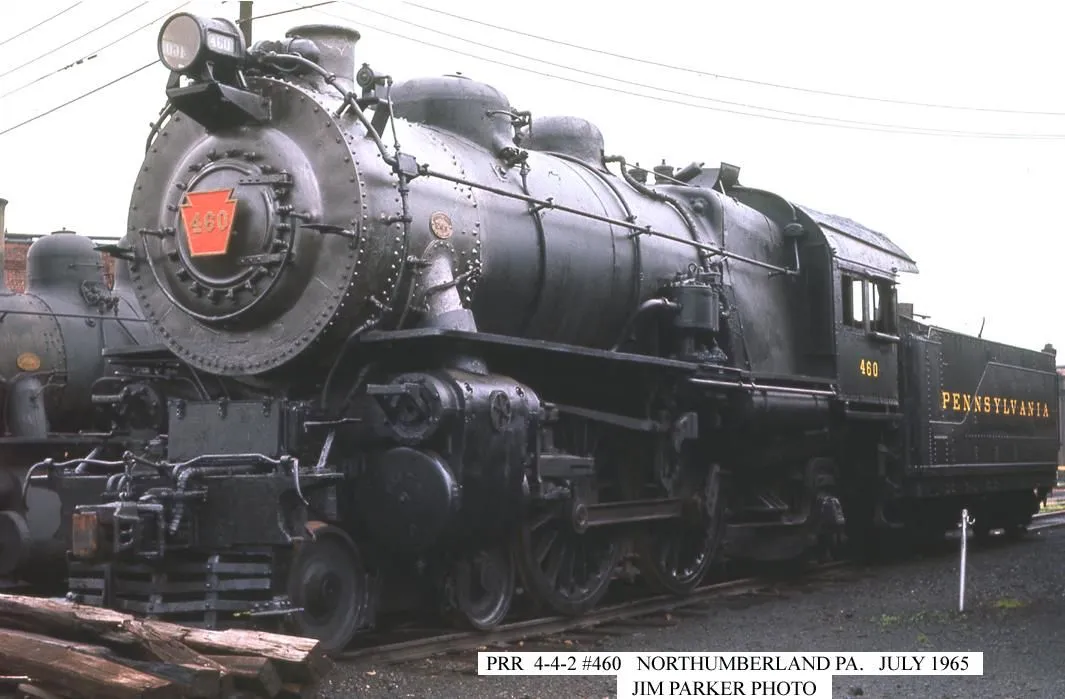 Photo: Pennsylvania Railroad, via i.pinimg.com
The Timetable Nightmare
Consider the practical insanity this created. A businessman traveling from New York to Chicago would start his journey at, say, 8:00 AM New York time. By the time he reached Philadelphia, it would be 7:45 AM local time — meaning he had somehow traveled backward through time. Continuing west, he'd gain and lose minutes seemingly at random as each town imposed its own temporal reality on his journey.
Railroad conductors became unwilling time travel guides, constantly announcing not just the next stop, but what time it would be when they got there. "Next stop, Springfield! Set your watches back seven minutes!" Freight schedules became exercises in temporal mathematics that would have challenged Einstein.
The chaos wasn't just inconvenient — it was deadly. Train collisions regularly occurred when engineers misunderstood which time standard a particular schedule was using. The most famous case happened in New England, where two trains collided head-on because their engineers were operating on schedules that differed by just four minutes.
The Railroad Revolution
By 1880, America's railroad companies had had enough. Led by William F. Allen, secretary of the General Time Convention (later known as the American Railway Association), they decided to impose order on the chaos. Allen proposed dividing the continental United States into four time zones, each exactly one hour apart.
The plan was elegant in its simplicity, but it faced fierce resistance from a public that saw standardized time as an assault on local autonomy. Town councils passed resolutions declaring their intention to keep "God's time" instead of "railroad time." Newspaper editorials denounced the scheme as corporate tyranny over the natural order.
The city of Detroit was particularly stubborn, maintaining local time for decades after the railroads switched. For years, Detroit operated on both "city time" and "railroad time" simultaneously, with different clocks in the same building showing different hours.
The Day of Two Noons
November 18, 1883, was the day the railroads forced the issue. At exactly noon, Eastern Standard Time, telegraph operators across the country synchronized their clocks to the new system. In many towns, this meant that noon occurred twice — once at local solar time, and again when the railroad clocks struck twelve.
The transition was surreal. Church bells in some communities rang noon twice within the same hour. Workers got confused about when their shifts actually ended. Some towns experienced their longest or shortest "day" in recorded history as they jumped forward or backward to align with the new zones.
In New York City, crowds gathered around the Western Union building to watch the exact moment when the old time system died. When the telegraph clicked over to the new standard, spontaneous cheers erupted. America had finally agreed on what time it was.
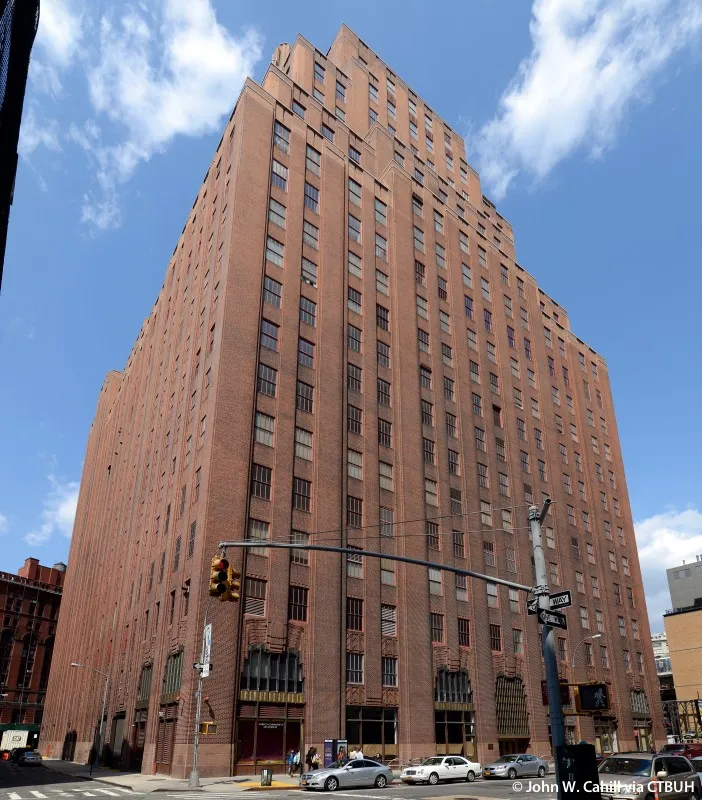 Photo: Western Union building, via images.skyscrapercenter.com
The Holdouts
Not everyone celebrated. Some communities refused to acknowledge railroad time for years. Augusta, Georgia, maintained local time until 1888. Detroit held out until 1900. A few rural areas didn't fully adopt standard time until World War I, when the federal government finally made time zones legally mandatory.
The resistance wasn't just stubborn nostalgia — it represented a genuine philosophical divide about who had the authority to define reality. Local time had been democratic and natural; standard time was imposed and artificial. The debate echoed larger tensions about whether local communities could maintain their autonomy in an increasingly connected nation.
When Chaos Made Perfect Sense
Looking back, America's century of temporal chaos seems almost quaint. But it reveals something profound about how technology can outpace social adaptation. For most of human history, local time had been perfectly adequate because most human activity was local. The railroad network created the first technology that demanded continental coordination, and it took decades for society to catch up.
The time zone system that emerged from this chaos became one of America's most successful standardization efforts, copied around the world. But it came at a cost that's easy to forget: the loss of thousands of unique local times that had connected communities directly to their place on Earth.
Today, when we complain about jet lag or daylight saving time, we're experiencing faint echoes of the temporal confusion that once defined American life. The difference is that now we all agree to be confused together, at exactly the same time.